
A World of Flavor in Every Grain: Unlocking the Magic of Couscous Recipes
Discover an incredible world of couscous recipes! Explore classic Moroccan dishes, vibrant healthy salads, and expert tips for cooking perfect couscous every time. Elevate your meals with these versatile grains.
Welcome, fellow food lovers, to the wonderful world of couscous! If you’ve ever thought of couscous as just a simple side dish, prepare to have your culinary horizons expanded. These tiny, versatile grains are so much more than meets the eye, offering a canvas for an incredible array of flavors and textures. From hearty, traditional stews brimming with spices to light, refreshing salads perfect for a summer’s day, the potential of couscous recipes is truly boundless. Join us as we journey through the history, types, and most delicious ways to incorporate this beloved ingredient into your kitchen, making it a staple you’ll turn to again and again.
Table of Contents
What Is Couscous? A Culinary Journey Through Tiny Grains
At its heart, couscous isn’t a grain in the botanical sense, but rather a type of pasta made from crushed durum wheat semolina. Originating from the Maghreb region of North Africa (think Morocco, Algeria, Tunisia), couscous has been a culinary cornerstone for centuries. Traditionally, it was made by hand, a meticulous process where semolina was moistened and rolled into tiny pellets, then steamed. This painstaking method resulted in a product revered for its light, fluffy texture and ability to absorb the rich flavors of accompanying sauces and stews. It’s not just food; it’s a symbol of hospitality and community, often served at family gatherings and celebrations.
Today, while handmade couscous is still cherished, the convenience of pre-steamed, quick-cooking varieties has made it a global phenomenon. Its mild flavor and delightful texture make it an ideal base for countless couscous recipes, effortlessly taking on the profile of whatever ingredients it’s paired with. It’s a fantastic source of plant-based protein and fiber, making it a nutritious choice for any meal.
Types of Couscous: A Grain for Every Occasion
While many of us are familiar with just one type, couscous actually comes in several varieties, each with unique characteristics and best uses. Understanding these differences can elevate your couscous recipes to new heights!
- Moroccan Couscous: This is the most common variety found in Western supermarkets. It’s the smallest and cooks the quickest, usually just by soaking in hot water or broth for about five minutes. Its fine texture is perfect for absorbing delicate sauces and as a light side dish.
- Israeli Couscous (Pearl Couscous or Ptitim): Larger and more spherical than Moroccan couscous, Israeli couscous has a satisfyingly chewy texture. It’s toasted, giving it a slightly nutty flavor, and typically cooked more like pasta – simmered in boiling water or broth. It holds up well in salads, stews, and as a hearty base.
- Lebanese Couscous (Moghrabieh): The largest of the three, Lebanese couscous is about the size of a small pea. It requires longer cooking times, often simmered until tender, and has a very distinct, robust chew. It’s excellent in hearty stews, often served with chicken or lamb, and can even be a standalone dish with rich sauces.
Image generation failed.Generated by Gemini: Close-up couscous grains
Choosing the right type of couscous for your dish can make all the difference, transforming a good meal into a truly exceptional one. Each variety brings its own character to the table, inviting a world of culinary exploration.
Traditional Couscous Recipes: Embracing Authentic Flavors
When we delve into traditional couscous recipes, we often find ourselves drawn to the rich, aromatic tapestry of North African cuisine. These dishes are not just about sustenance; they are about culture, comfort, and a deep appreciation for layered flavors. The cornerstone is often a slow-cooked tagine or stew, perfectly complemented by fluffy couscous that soaks up every drop of the savory broth.
Classic Moroccan Couscous with Seven Vegetables: A Heartwarming Tradition
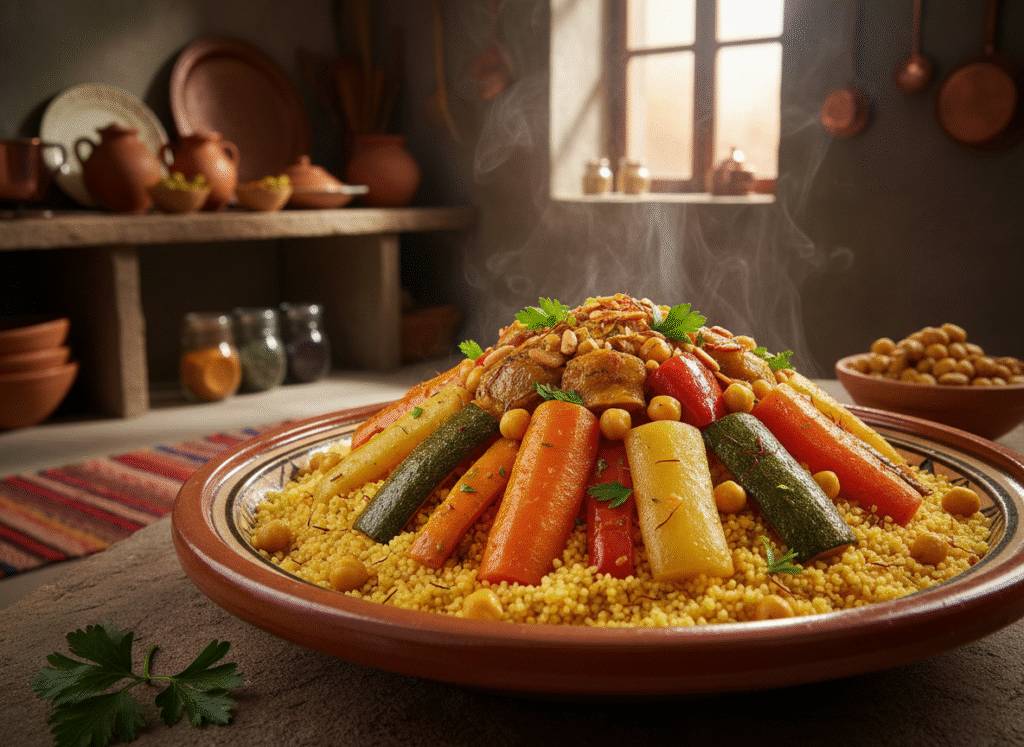
No discussion of traditional couscous would be complete without highlighting the iconic Moroccan Seven-Vegetable Couscous. This is the quintessential celebration dish, often prepared for Friday gatherings or special occasions. It’s a labor of love, but the result is a deeply flavorful, aromatic, and incredibly satisfying meal that truly showcases the versatility of the tiny grains. While traditionally made with lamb or chicken, a purely vegetarian version is equally delicious and profoundly nourishing.
Ingredients for the Stew (Serves 6-8):
- 2 tbsp olive oil
- 1 large onion, chopped
- 2 cloves garlic, minced
- 1 inch fresh ginger, grated
- 1 tsp turmeric powder
- 1 tsp ground cumin
- 1 tsp ground coriander
- 1/2 tsp ground ginger
- 1/2 tsp black pepper
- Pinch of saffron threads (optional, dissolved in a little hot water)
- 1 (28 oz) can crushed tomatoes
- 6 cups vegetable broth
- 1 cup chickpeas, cooked or canned (rinsed and drained)
- 2 large carrots, peeled and cut into large chunks
- 2 turnips, peeled and quartered
- 1 large zucchini, cut into large chunks
- 1 sweet potato, peeled and cut into large chunks
- 1 small head cabbage, quartered
- 1 cup butternut squash, peeled and cubed
- Small bunch fresh cilantro and parsley, chopped, for garnish
- Salt to taste
For the Couscous:
- 2 cups fine Moroccan couscous
- 2 cups hot water or vegetable broth
- 1 tbsp olive oil or butter
- Salt to taste
Instructions:
- Heat olive oil in a large pot or Dutch oven over medium heat. Add onion and cook until softened, about 5-7 minutes.
- Add garlic and ginger, cook for another minute until fragrant. Stir in turmeric, cumin, coriander, ground ginger, and black pepper. Cook for 1 minute, stirring constantly. If using saffron, add it now.
- Pour in crushed tomatoes and vegetable broth. Bring to a simmer. Add chickpeas, carrots, and turnips. Cover and cook for 15 minutes.
- Add zucchini, sweet potato, cabbage, and butternut squash. Season with salt. Cover and continue to simmer for another 20-25 minutes, or until all vegetables are tender. Taste and adjust seasoning as needed. The stew should be rich and flavorful.
- While the stew is simmering, prepare the couscous. In a large bowl, combine couscous with hot water or broth, olive oil/butter, and a pinch of salt. Stir briefly, then cover with a plate or plastic wrap and let sit for 5-7 minutes until the liquid is absorbed.
- Fluff the couscous with a fork, separating the grains.
- To serve, spoon the fluffy couscous onto a large platter, creating a well in the center. Ladle the vegetable stew generously into the well, ensuring plenty of broth. Garnish with fresh cilantro and parsley. Serve immediately, inviting everyone to share in this delicious and communal meal.
Couscous with Roasted Mediterranean Vegetables: A Weeknight Delight
For a simpler, yet equally satisfying traditional take, try couscous with a medley of roasted Mediterranean vegetables. This dish is perfect for a quick weeknight dinner or as a vibrant side. Simply toss chopped zucchini, bell peppers (red, yellow, orange), red onion, eggplant, and cherry tomatoes with olive oil, dried oregano, thyme, salt, and pepper. Roast in a hot oven (200°C/400°F) for 25-30 minutes until tender and slightly caramelized. Serve the hot roasted vegetables over freshly prepared couscous, allowing the juices to mingle and infuse the grains. A sprinkle of fresh basil or a drizzle of balsamic glaze adds an extra layer of flavor.
Modern & Healthy Couscous Recipes: Light, Fresh & Flavorful
Couscous isn’t just for traditional stews; its neutral flavor and quick cooking time make it a superstar in modern, healthy kitchens. From vibrant salads to lean, protein-packed bowls, contemporary couscous recipes are all about freshness, nutrition, and ease. These dishes are perfect for meal prep, quick lunches, or light dinners that don’t compromise on taste.
Healthy Couscous Recipes for Weight Loss: Nutrient-Packed and Delicious
If you’re looking to maintain a healthy lifestyle or embarking on a weight loss journey, couscous can be an excellent ally. Its fiber content helps you feel fuller for longer, and its versatility allows for endless combinations of lean proteins and nutrient-dense vegetables. When creating healthy couscous recipes for weight loss, focus on:
- High-Fiber Vegetables: Load up on non-starchy vegetables like broccoli, spinach, bell peppers, cucumber, and tomatoes.
- Lean Proteins: Pair your couscous with grilled chicken breast, baked fish, shrimp, lentils, chickpeas, or tofu for a complete meal.
- Healthy Fats: A drizzle of olive oil, a few slices of avocado, or a sprinkle of nuts and seeds add healthy fats and enhance satiety without excess calories.
- Whole Wheat Couscous: Opt for whole wheat varieties for even more fiber and nutrients.
Consider a Mediterranean-inspired couscous bowl with grilled halloumi, roasted cherry tomatoes, fresh spinach, and a lemon-tahini dressing. Or a vibrant couscous stir-fry with edamame, shredded carrots, bell peppers, and a light soy-ginger sauce. The possibilities are endless for creating satisfying and waistline-friendly couscous recipes.
Vibrant Couscous Salad Recipes: The Ultimate Make-Ahead Meal
Couscous salads are truly a revelation. They are quick to prepare, incredibly refreshing, and taste even better after the flavors have had a chance to meld. Perfect for meal prep, picnics, potlucks, or a light lunch, these couscous salad recipes are endlessly customizable. Here’s a favorite:
Zesty Lemon Herb Couscous Salad
This salad bursts with fresh flavors and vibrant colors.
- Ingredients: 1 cup cooked and cooled Moroccan couscous, 1 cucumber (diced), 1 pint cherry tomatoes (halved), 1/2 red onion (finely diced), 1/2 cup fresh parsley (chopped), 1/4 cup fresh mint (chopped), 1/4 cup crumbled feta cheese (optional), 1/4 cup toasted slivered almonds (optional). For the dressing: 3 tbsp extra virgin olive oil, juice of 1 lemon, 1 clove garlic (minced), salt and black pepper to taste.
- Instructions: In a large bowl, combine the cooled couscous with all the chopped vegetables, herbs, feta, and almonds. Whisk together the dressing ingredients and pour over the salad. Toss gently to combine, ensuring everything is well coated. Let it sit in the refrigerator for at least 30 minutes for the flavors to meld. Serve chilled or at room temperature.
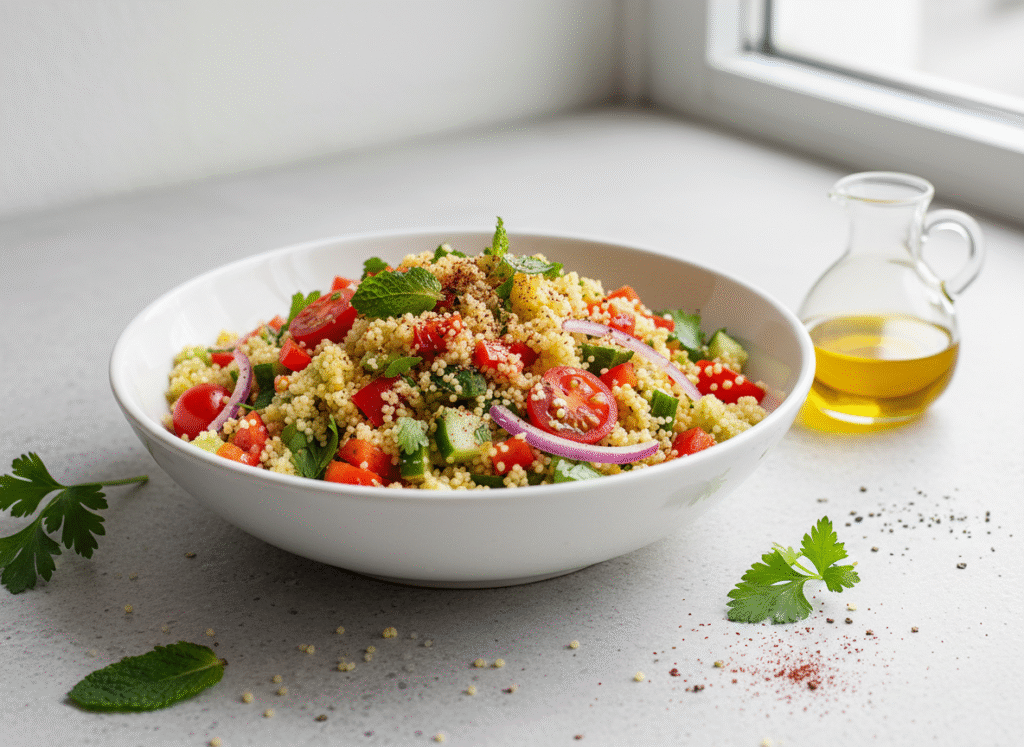
Other fantastic additions to couscous salads include olives, sun-dried tomatoes, roasted bell peppers, grilled corn, chickpeas, black beans, or even a sprinkle of spice like za’atar. Don’t be afraid to experiment with your favorite ingredients to create your signature couscous recipes for salads!
Mastering Your Couscous: Tips for Perfect Texture, Storage & Serving
While couscous is incredibly forgiving, a few simple tricks can elevate your cooking from good to gourmet. Achieving that light, fluffy, perfectly separated grain is key to truly exceptional couscous recipes.
Essential Couscous Cooking Tips for Fluffy Perfection
- Ratio is Key: For Moroccan couscous, a 1:1 ratio of liquid to couscous is generally ideal. For Israeli or Lebanese couscous, check the package instructions as they often require more liquid, closer to a 1:1.5 or 1:2 ratio.
- Use Hot Liquid: Always use boiling water or broth for Moroccan couscous. This allows the grains to steam and absorb moisture quickly and evenly.
- Add Flavor to the Liquid: Don’t just use plain water! Vegetable or chicken broth, a pinch of salt, a bay leaf, or even a squeeze of lemon can infuse flavor right into the grains as they cook.
- Add a Little Fat: A tablespoon of olive oil or butter stirred into the hot liquid before adding couscous can help keep the grains from sticking together, ensuring a fluffier result.
- Cover and Let Rest: Once you’ve added the hot liquid, cover the bowl tightly and let it sit undisturbed for the recommended time (usually 5-7 minutes for fine couscous). This allows the grains to steam properly.
- Fluff, Fluff, Fluff: The most crucial step! After resting, use a fork to gently fluff and separate the grains. Don’t press down; use light, sweeping motions to break up any clumps.
Storing Cooked Couscous & Maximizing Freshness
Cooked couscous, once cooled, can be stored in an airtight container in the refrigerator for up to 3-4 days. It’s excellent for meal prepping as it holds up well. To reheat, you can gently warm it in a microwave with a splash of water or broth, or on the stovetop over low heat, stirring occasionally. For best results, use it in cold salads or as a base for quickly warmed bowls.
Pairing & Serving: Beyond the Main Dish
Couscous is incredibly versatile, making it an ideal companion for a wide range of dishes. Besides being the star of various couscous recipes, it shines as a side:
- With Grilled Meats and Fish: A simple lemon-herb couscous is a fantastic counterpoint to succulent grilled chicken, lamb, or flaky white fish.
- Underneath Stews and Curries: Let the grains soak up rich, aromatic sauces from your favorite stews, curries, or even chili.
- Stuffed Vegetables: Mix cooked couscous with herbs, spices, and crumbled cheese, then use it as a flavorful stuffing for bell peppers, tomatoes, or zucchini.
- Sweet Treats: In some cultures, couscous is also enjoyed as a sweet dish, simmered with milk, sugar, and dried fruits, often spiced with cinnamon or orange blossom water.
From its humble beginnings in North Africa to its current status as a global culinary favorite, couscous has proven its ability to adapt and delight. We hope this deep dive into couscous recipes has inspired you to explore its incredible potential in your own kitchen. Whether you’re simmering a traditional tagine or tossing a vibrant salad, these tiny grains are ready to absorb your creativity and deliver delicious results. Happy cooking!